In preparation · two volumes
Two men, two books, and 99 drawings nobody has seen properly since 1900
You can download Jerome's text free, tonight, in about four seconds. That is exactly why we are making these.
Three Men in a Boat came out in book form in 1889, published by J. W. Arrowsmith of Bristol, after running as a serial in a magazine called Home Chimes the year before.1 Its sequel, Three Men on the Bummel, followed in 1900 from the same publisher.2 Both have been in print somewhere in the world almost continuously ever since, and both are out of copyright everywhere that matters.
So there is no scarcity here at all. The text is abundant. What is scarce is the book — and in particular what was in it.
The pictures are the point
The 1889 first edition was illustrated throughout by an artist credited on the title page simply as A. Frederics.3 The 1900 sequel was illustrated by L. Raven Hill — Leonard Raven-Hill, later one of Punch's principal cartoonists.4
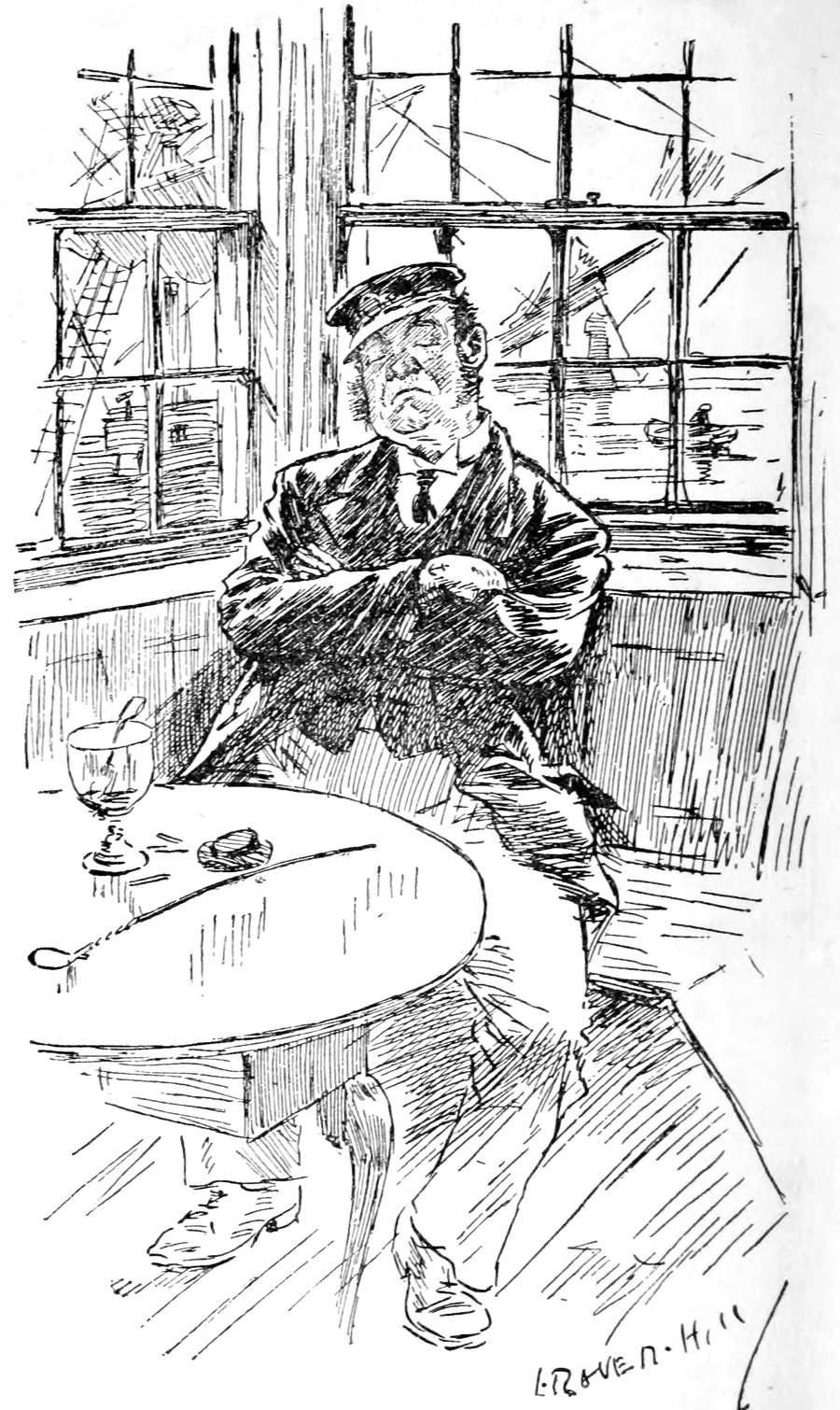
Most modern reprints drop the drawings, or reproduce a handful at postage-stamp size. The free digital texts are worse: the best of them carries the 1889 set at about 1,100 pixels wide, which is fine on a phone and hopeless on paper, and the 1900 text carries no illustrations at all.
So we went to the scans. Sixteen pieces by Raven Hill and eighty-three by Frederics — sixty-eight drawings and fifteen decorated initials, lifted off the original page images at the resolution they were photographed at, then restored — paper taken to white, ink taken to black, and nothing invented. No sharpening, no redrawing, no filling in. Where a stroke was broken on the page in 1900, it is broken here.
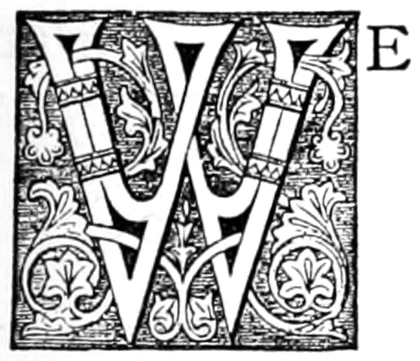
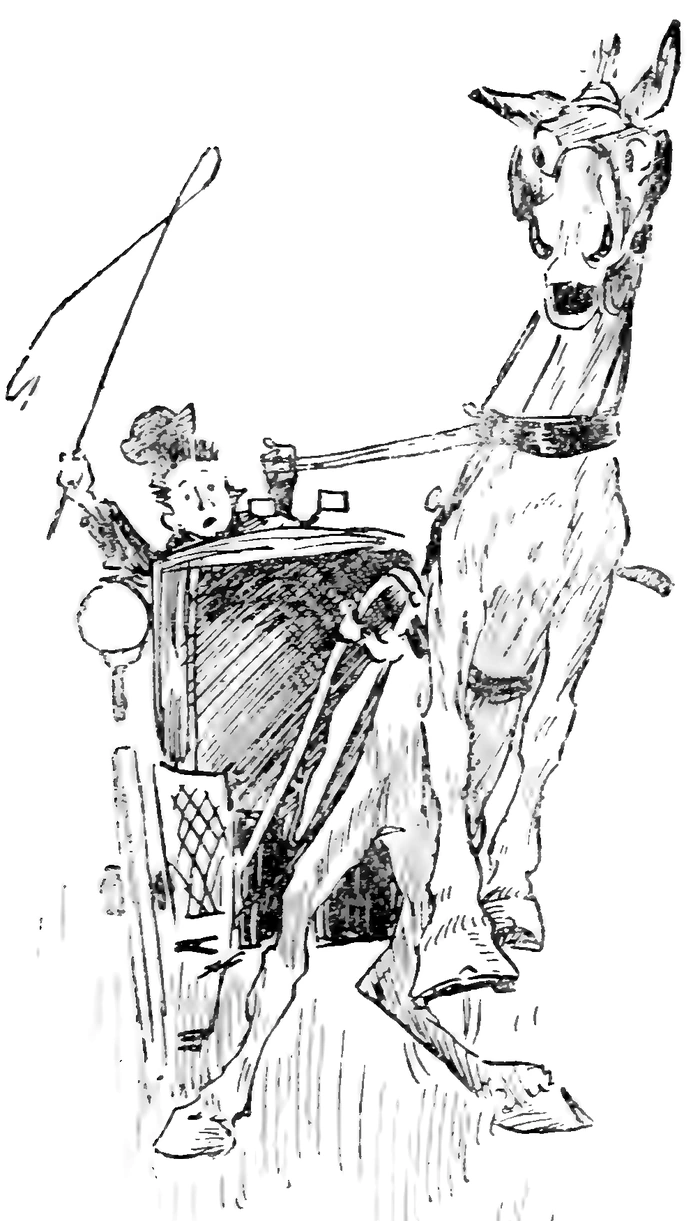
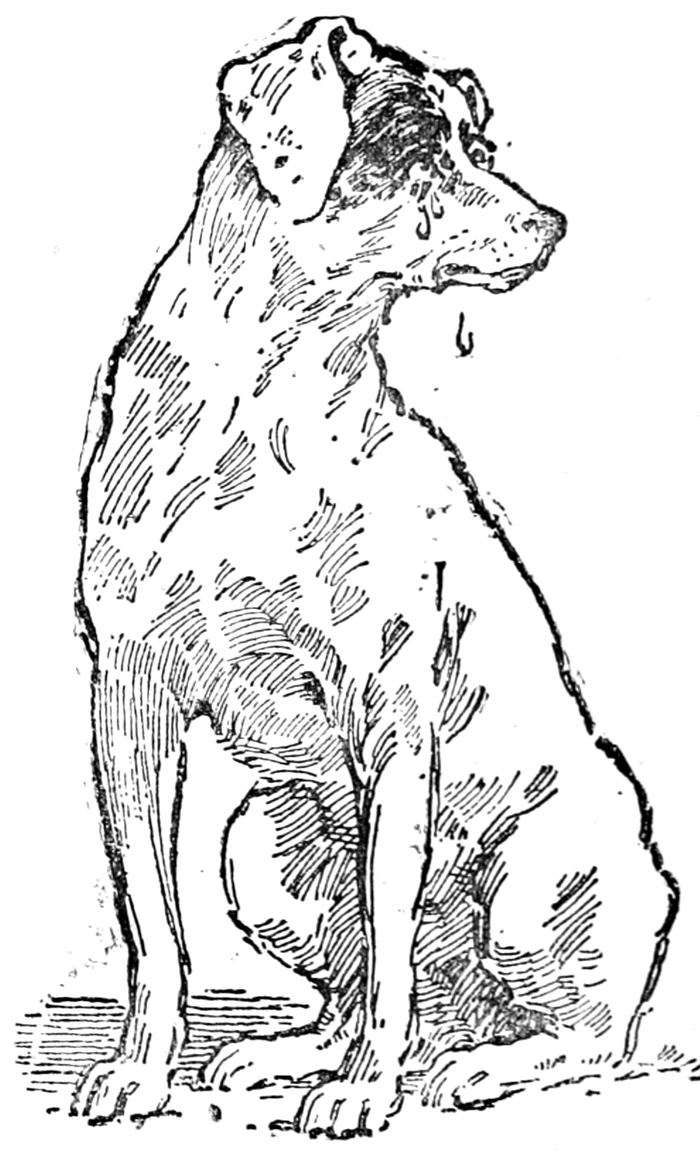
They are better than we expected. The decorated initials alone — there are fifteen — turn a page of type into something worth looking at.
What we know about the men who drew them
Raven-Hill is easy. He died on 31 March 1942 at Ryde, on the Isle of Wight.4 His work is all over Punch and hangs in public collections.
Frederics is not easy at all, and this is where we have to be careful.
One detail we have seen repeated, and cannot verify either, is that he was paid a flat ten pounds for the sixty drawings.5 If it is true, it is the whole history of illustration in one line: the book has never been out of print, and his grave can no longer be found.
What we are making
Two volumes, not one. They are different books — the first is a river and three idiots, the second is a bicycle tour of Germany and a much stranger, sharper piece of writing — and binding them together makes a brick that neither of them deserves.
Both set in our house style, both with their full original illustration, printed to order in South Africa in small runs.
R460 for the Boat, and it is not printed yet. The text is ready and all seventy-one drawings are restored and sitting at print size. What is not decided is whether it gets set, and that is what a pledge decides — no money, no card, and you are asked again before anything is charged.
Sources
- Jerome K Jerome Society bibliography: Three Men in a Boat (to Say Nothing of the Dog), Bristol, J. W. Arrowsmith, 1889; previously serialised in Home Chimes, September 1888 – June 1889. jeromekjerome.com
- Internet Archive catalogue record for the Arrowsmith edition of Three Men on the Bummel, J. W. Arrowsmith, 1900. archive.org
- Title-page transcription of an 1889 Arrowsmith first edition: "Illustrations by A. Frederics". Rooke Books
- Leonard Raven-Hill, died Ryde, Isle of Wight, 31 March 1942. Chris Beetles Gallery; Tate
- The Hipp identification, the Wokingham burial and the ten-pound fee: Wokingham.Today; London News Online. These two accounts disagree on his birth year and on where he died, and we treat both as unconfirmed.
Update, 29 September 2026 — the count was wrong, and low.
This piece said seventy-one pieces by Frederics. There are eighty-three: sixty-eight drawings and fifteen decorated initials.
The first sweep of the 1889 scans looked for an unbroken vertical band of ink, which is a sound way to find a drawing and a poor way to find a small one. Ten vignettes fell through it — a candle, a handful of nails, a china dog, two skulls, a curl of pipe smoke, and four dogs on two consecutive pages. Three more plates turned out to have a word of the neighbouring text baked into the image, which would have printed.
None of that was caught by a score or a log. It was caught by putting every plate next to its reference on one sheet and looking at it. We are saying so because the alternative — quietly correcting a number — is the thing we said we would not do.